10 tips for tourists visiting Zimbabwe in winter
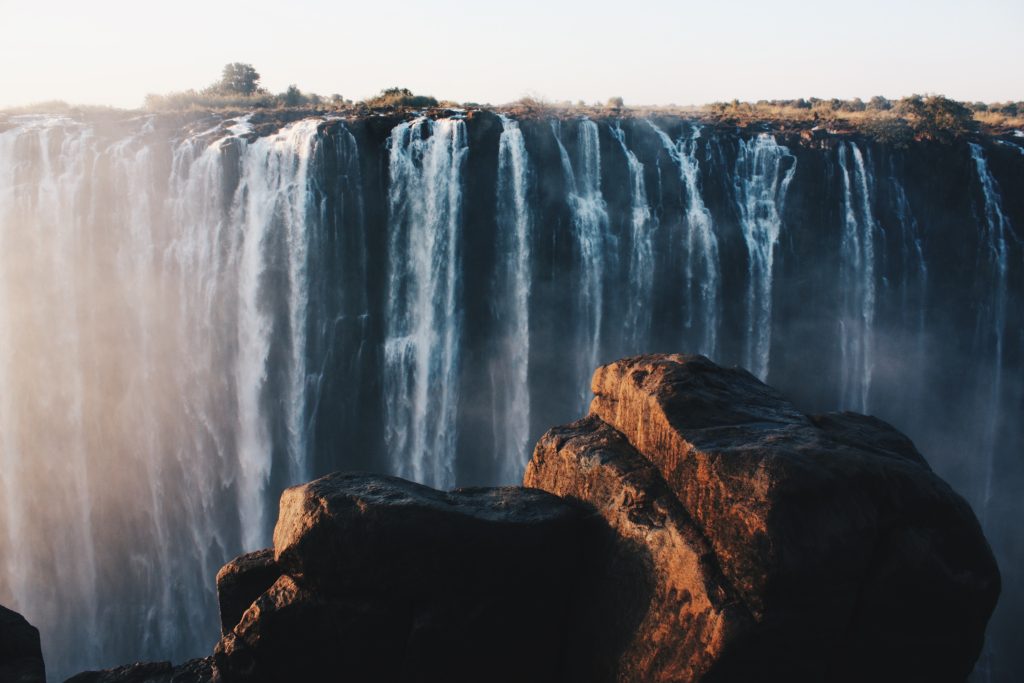
If you are planning to visit Zimbabwe during the winter season, which runs from May to August, here are some tips to make your trip enjoyable!
- Weather: Winter in Zimbabwe is considered dry season and generally cooler than other times of the year, with temperatures ranging from 10-25 C degrees. Be prepared for sub-zero temperatures during the nights and early mornings especially if you decide to visit the Eastern Highlands. Pack warm clothing, including sweaters, jackets, long pants, hats, and gloves. However, daytime temperatures can still be relatively pleasant, so layering is recommended.
- Accommodation and bookings: Zimbabwe offers a wide range of accommodation options from budget-friendly to luxury resorts, so it is important to research and book your accommodation ahead of time. Check if accommodations in the area are open during the winter season, as some establishments may have limited availability or may be closed for renovations. It’s advisable to book your accommodation and activities in advance to secure your preferred options. This includes lodges, campsites, and any guided tours or activities you plan to participate in.
- Wildlife: Winter is a great time to visit Zimbabwe for wildlife viewing as the dry weather forces animals to gather around waterholes and rivers, making it easier to spot them during game drives or safaris. Be sure to go on a safari or game drive to experience the wildlife up close. Less foliage also makes it easier to spot wildlife. Consider visiting parks like Hwange, Matobo, Gonarezhou and Nyanga for unforgettable wildlife experiences. Bring binoculars and warm clothing for early morning or evening game drives when temperatures can be cooler.
- Road Conditions: Be aware of the road conditions, as some areas may become slippery or difficult to navigate during winter, especially in July as some bit of drizzle may be experienced. Drive carefully and consider using a 4×4 vehicle if necessary
- Outdoor and Indoor Activities: Some outdoor activities, such as hiking or camping, may be limited or require additional precautions due to the colder weather. The cool temperature however may also be perfect for hiking as you will not tire easily. Plan accordingly and ensure you have appropriate gear. In case of inclement weather, have a backup plan with indoor attractions to visit, winter is a great time to explore museums, art galleries, or local craft markets.
- Food: Explore the local cuisine and try traditional dishes that are popular during the winter season. Warm up with hearty soups, stews, and hot beverages. Zimbabwean cuisine is a mixture of African and European influences, so be sure to try local dishes like sadza, biltong, and dovi.
- Photography Opportunities: Winter landscapes in Zimbabwe, and particularly the Eastern Highlands can offer stunning photography opportunities. Places like Nyanga and Chimanimani are known for their scenic beauty. Pack your camera gear and be ready to capture the beauty of misty mountains, waterfalls, and lush greenery. Winter is also a great time to snap animals and birds as there will be less foliage hence clearer shots of the wildlife
- Health and Safety: While Zimbabwe is generally a safe place to visit, there are some areas that are considered high-risk, so it is important to be aware of your surroundings and take necessary precautions. Be sure to consult with a healthcare professional about vaccinations and any necessary medication before traveling to Zimbabwe. It’s also essential to follow safety precautions, such as using mosquito repellent and taking necessary precautions against malaria if you plan to visit areas where it is prevalent.
- Culture and Etiquette: Zimbabwe is a diverse country with over 16 different ethnic groups and many languages spoken. Be respectful of local customs and traditions. Familiarize yourself with the local customs and etiquette of Zimbabwe to ensure respectful interactions with the local people. Learn a few basic phrases in the local language, Shona or Ndebele, as it can enhance your cultural experience and interactions.
- Visit low-lying areas: If very cold conditions are not your thing, then consider low-lying areas. During winter the low-lying areas such as the Victoria Falls, Hwange National Park and Mana Pools, have milder temperatures compared to the higher altitude regions. These area offer beautiful wildlife and natural attractions to explore
- Travel documents and travel advice: Be sure to have all necessary travel documents like a valid passport, visa (if required). Check the latest travel advisories and guidelines from your country’s embassy or consulate and seek advice from locals or tour operators for specific recommendations and up-to-date information on winter activities, road conditions, weather forecasts and any other considerations for your visit. Always prioritize your safety and comfort during your trip to Zimbabwe in winter.
